Mapping unsafe drinking water in Canada
Adala is an open, community-built map of water injustice in First Nations and other communities. Each pin explains what happened, who is responsible, what is still unresolved, and what you can do to help.
- Long-term drinking water advisories in effect on reserves
- 39
- First Nations living under those advisories
- 37
- Days Neskantaga First Nation has been told to boil its water
- 11,594
- Cases researched and written up by Adala mappers
- 25
Advisory figures come from Indigenous Services Canada, as of 21 October 2026. They only cover reserves south of 60, so the North and off-reserve communities are counted separately on the map.
Where would you like to start?
In the community this week
Communities still waiting for safe water
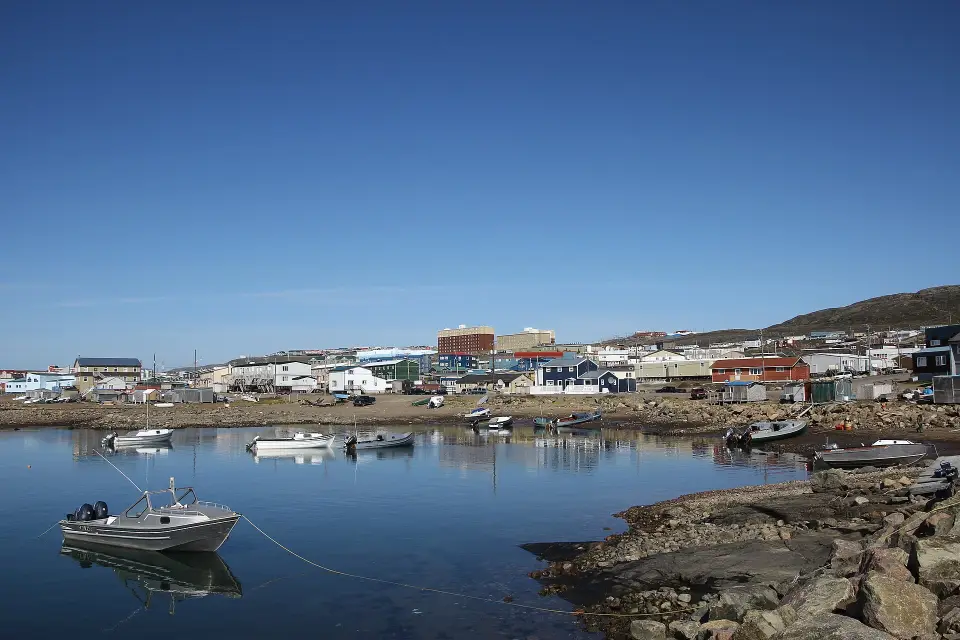
In 2015, the federal government promised to end every long-term drinking water advisory on reserves by March 2021. That deadline passed. Some communities have now been boiling their water for more than 30 years, and others have taps that run but carry mercury, arsenic or diesel.
The Adala map brings these cases together in one place, so you can see where they are, read how each one happened, check the sources, and find a concrete way to help.
The six longest-running advisories
Select a community to open its full story on the map.
Understanding why it happened
A systems map follows a harm back to the people and decisions behind it. Below is one example, the 2014 Mount Polley tailings dam failure in British Columbia, broken into five steps. Select a step to read what happened.
Who released the pollution, or let a system fail.
A tailings dam owned by Imperial Metals, built on a weak layer of glacial lake clay.
See how every case connectsWays you can help
These actions apply to every case. Each case on the map also lists actions specific to that community.
Join the community of mappers
You don't need an account to read the map. To take part in discussions, mapping marathons and case research, send a short request to join. A steward reviews each one, which helps keep the space respectful toward the communities being discussed.
- Send a short requestTell us your name, why you're interested and how much mapping you've done. It takes about two minutes.
- A steward reviews itSomeone on the Adala team reads your request and approves it. You'll see the answer on your account page.
- Start taking partOnce you're approved, you can post in the channels, join mapping marathons and discuss cases. Some research channels have their own short request.
Make your own maps
Use the same tools to map any issue you follow, such as housing in your city, or to keep a record of places that matter to you. Add pins anywhere in the world with a title, date and note. Your maps stay private unless you choose to share them in the community gallery.